
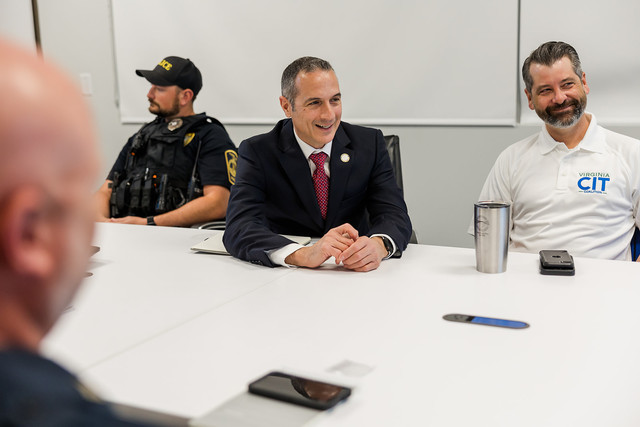
In my prior role as an Assistant Chief of Police for a mid-sized law enforcement agency, I conducted “kick-out” meetings with officers who successfully completed their field training program. During these meetings, I explained to newly sworn officers the importance of every interaction using the following metaphor: each successful, professional, and ethical encounter with our citizens represents a drop of water going into a bucket labeled “legitimacy.” As we accumulate these positive interactions, the bucket fills, and trust and legitimacy toward the agency grows.
From time to time, mistakes will happen—some drops of water will spill from the bucket—but if we’ve already filled it substantially, we still retain a strong foundation of legitimacy. Conversely, when the bucket is barely full, it’s much easier for agencies to lose the trust of their communities. From a routine traffic stop to a conversation with a clerk at the local convenience store—and even during use-of-force incidents—every interaction matters. Crisis Intervention Team (CIT) training can be a powerful tool to help keep that bucket full.
The Positive Impact of Crisis Intervention Teams
CIT improves community perceptions by equipping officers with de-escalation techniques and empathy-focused skills, demonstrating a commitment to safety and compassionate interactions. Officers trained in mental health crisis response are typically more adept at safely resolving incidents without resorting to force. They also acquire advanced knowledge about how to assess root-cause issues, which often requires asking great questions and listening more than talking.
Additionally, CIT programs promote transparency and foster open lines of communication between law enforcement, mental health providers, advocacy groups, and the public. This collaborative approach often leads to creative problem-solving for high utilizers of the crisis response system. When a CIT-trained officer responds with a behavioral health professional, individuals in crisis are more likely to receive proper mental health treatment, diverting them from the criminal justice system. Ultimately, this fosters a sense of safety, trust, and goodwill within the community.
- How CIT Enhances Community Trust
- Improved Community Perception
By equipping officers with de-escalation and empathy-focused skills, CIT programs demonstrate a commitment to compassionate and solution-focused interactions —building trust and goodwill. - Reduced Use of Force
CIT promotes safer and better outcomes for all. Officers trained in mental health crisis response are more adept at resolving incidents without resorting to force, fostering a sense of safety and confidence within the community. - Collaboration with Stakeholders
CIT promotes active partnerships among law enforcement, mental health providers, and advocacy groups. These collaborative relationships encourage transparency and open lines of communication between police and the public. - Increased Access to Services
People in crisis are more likely to receive appropriate mental health treatment and referrals rather than entering the criminal justice system. This reinforces the notion that law enforcement is dedicated to helping rather than simply arresting.
- Improved Community Perception
- Benefits for Law Enforcement Executives
- Enhanced Officer Preparedness
Trained officers are better prepared to handle volatile situations safely, reducing liability risks and improving overall operational readiness.
- Enhanced Officer Preparedness
-
- Positive Organizational Culture
Prioritizing officer wellness and equipping staff with specialized skills can boost morale and retention, as officers feel supported and valued. - Improved Community Relationships
Agencies that invest in CIT see fewer citizen complaints and build a reputation for professionalism – this is critical for maintaining public trust. - Operational Efficiency
Effective CIT programs can lead to fewer repeat crisis calls and reduced strain on resources like jail space and emergency room beds.
- Positive Organizational Culture
- Promoting These Benefits to the Community
- Public Statements and Media Outreach – A police chief can highlight CIT’s success stories—especially those involving de-escalation, effective referrals, and safe outcomes—through press releases, social media, and public forums.
-
- Community Workshops and Town Halls – Hosting or participating in open sessions allows law enforcement leaders to share how CIT training works and how it impacts public safety. Hearing direct success stories from officers and community members builds credibility.
- Transparency in Data and Outcomes – Sharing statistics, like decreased use-of-force incidents or reduced arrests for people in crisis, helps demonstrate tangible results of CIT, reinforcing community confidence.
- Engagement with Local Partners
Coordinating with mental health organizations, hospitals, and advocacy groups (such as NAMI) to co-sponsor mental health awareness events underscores the department’s commitment to working collaboratively and compassionately.
By adopting and promoting CIT, law enforcement executives can solidify community trust, protect officers’ wellness, and enhance the overall perception of policing within the communities they serve. Moreover, promoting CIT will help law enforcement officers serve with enhanced safety, active listening, and better outcomes for officers, individuals, and the community.